Choosing a base by region and season
Iceland has no single best place to sleep. You choose a base by what you plan to do and by the time of year. In summer, long daylight lets you drive further from your bed. In winter, short days and ice make it smarter to pick a base close to the places you want to see.
This guide names regions, not hotels, and has no booking links. It uses climate and visitor figures where they exist, and it points out the taxes that appear on your bill. Whichever region you choose, check the road status and the weather warnings before each longer drive.
Regions compared
What each base is good for, when it is at its best and what to watch.
| Region | Good base for | Best season | Watch out for |
|---|---|---|---|
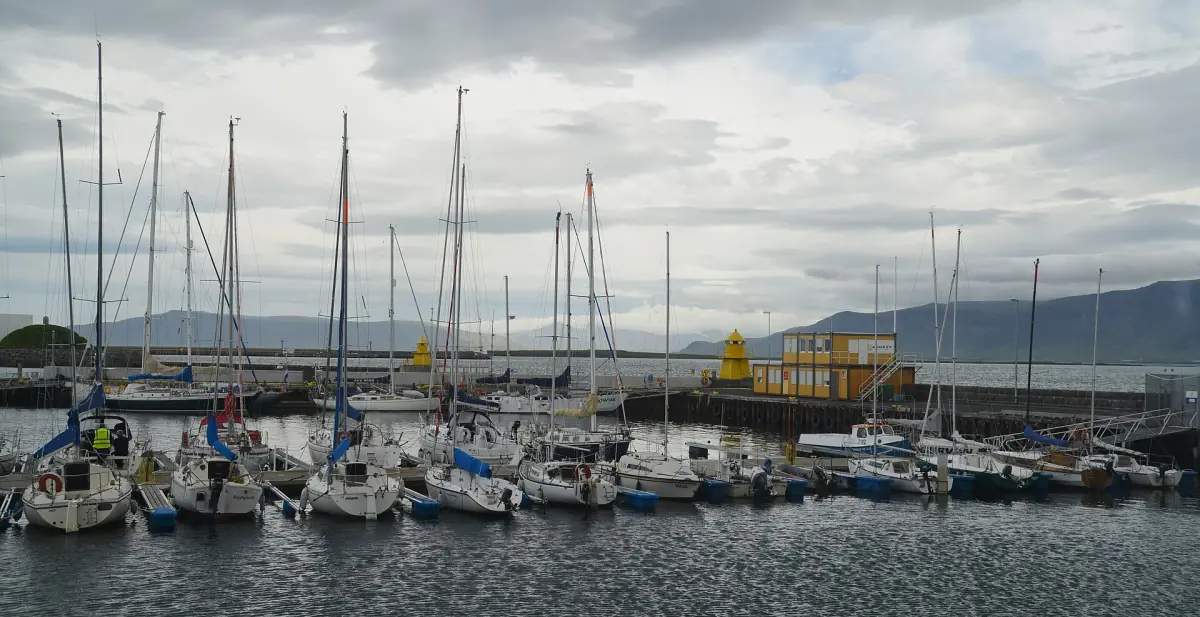
| Reykjavík | Golden Circle and south coast day trips, whale and puffin boats, Silfra, evening northern lights tours, pools | All year | July and August are the busiest. Culture Night closes central streets (22 August in 2026). |
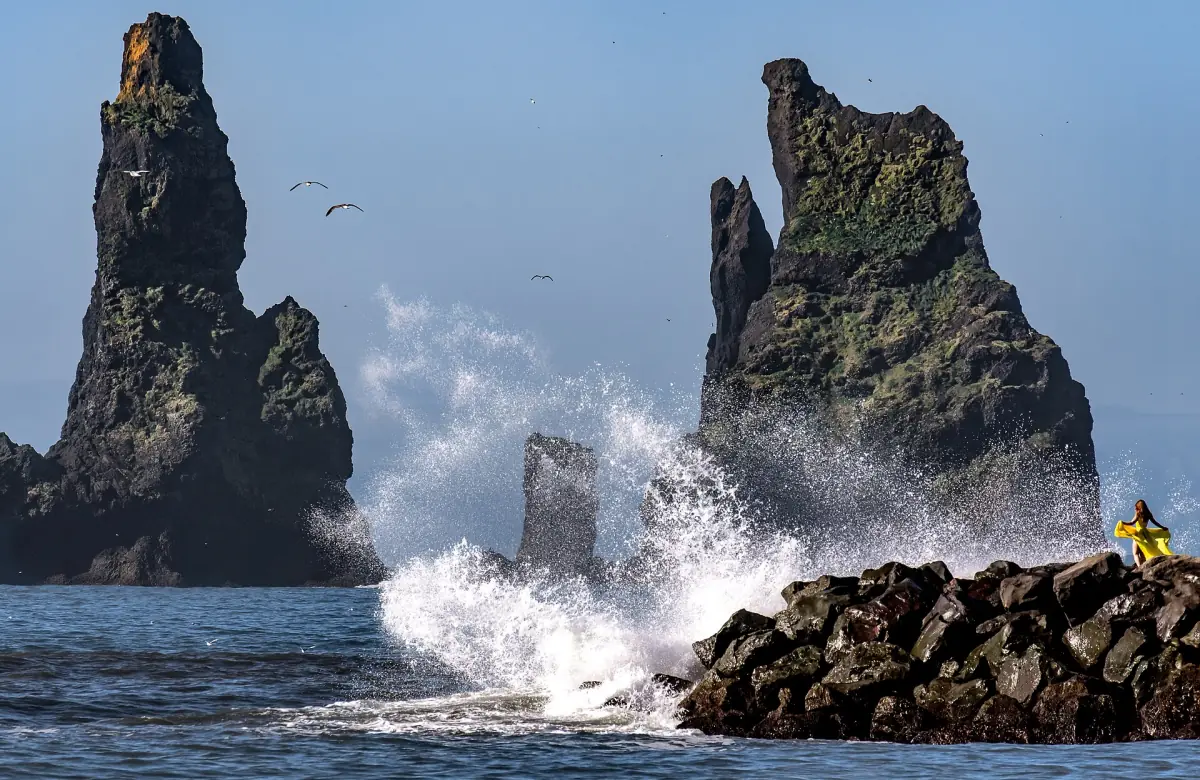
| South coast and Vík | Seljalandsfoss, Skógafoss, Reynisfjara and the Sólheimajökull glacier, about 45 minutes from Vík by one operator's guide | Summer for hikes, winter with a smaller plan | Ice, short days and beach safety notices. |
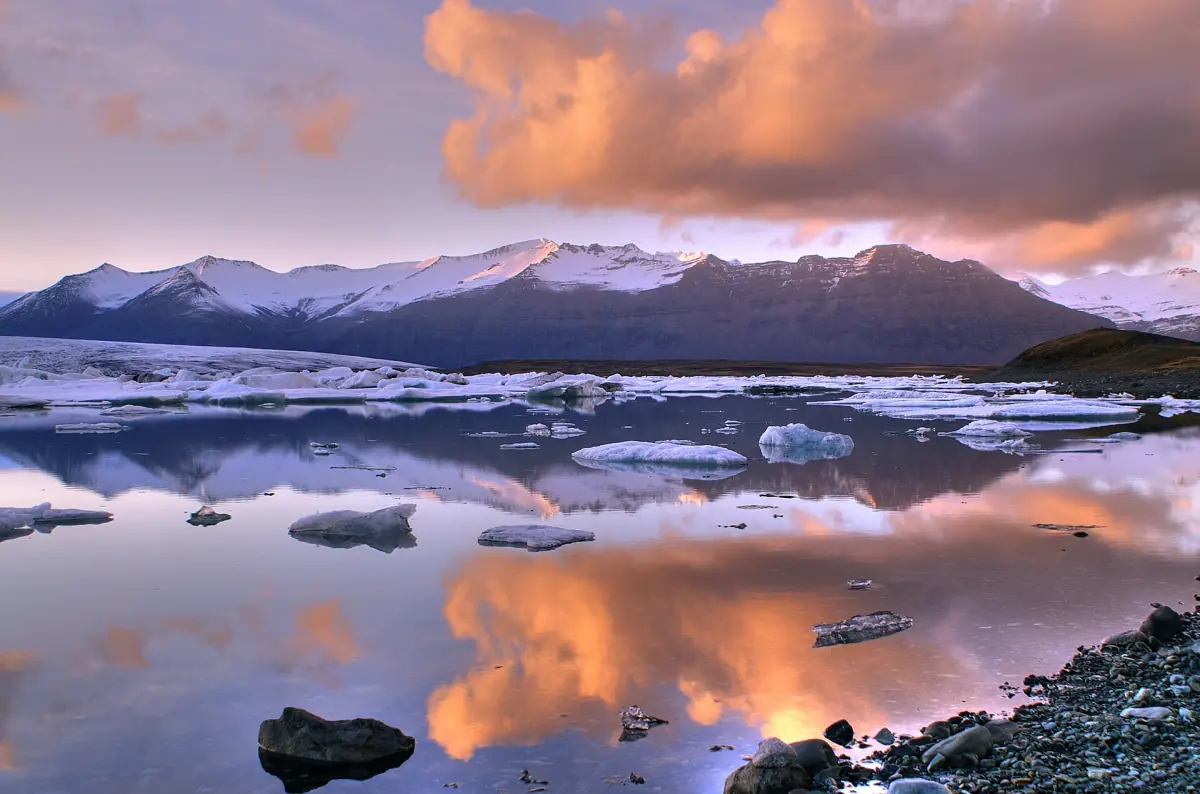
| Höfn and the east | Jökulsárlón and Diamond Beach, boats and ice caves | May to October for boats, October onward for ice caves | Longer distances in winter and the Hornafjörður toll. |
| Akureyri and the north | A drier base and the island of Grímsey | Summer, especially the bright weeks around the solstice | Ferry and flight timetables change by season. |
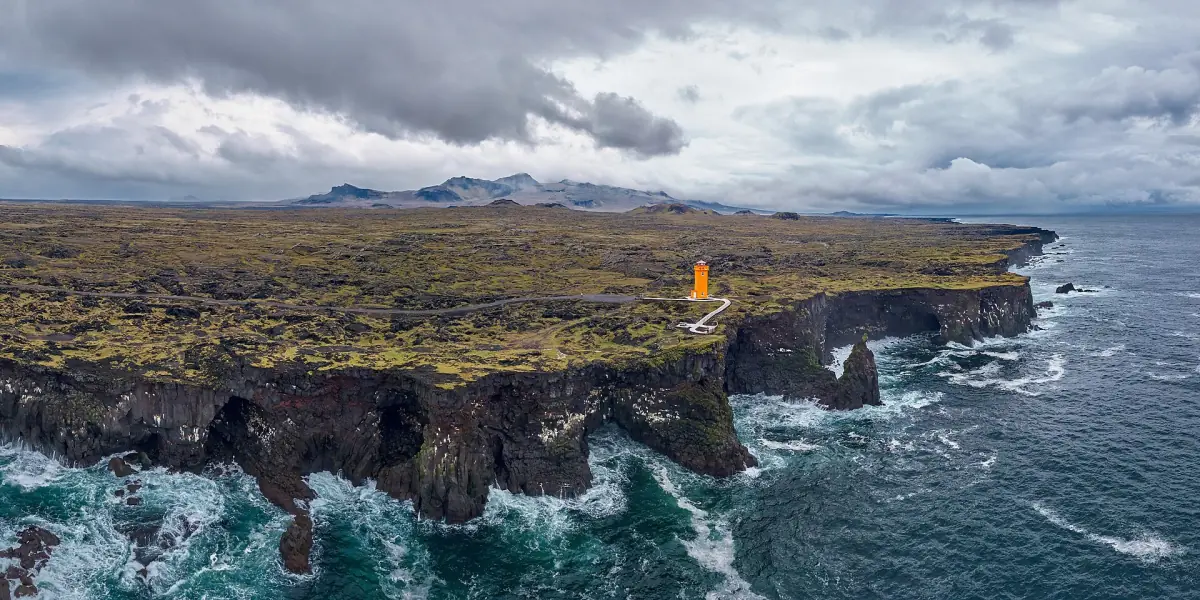
| Snæfellsnes | Coastal scenery, away from the main southern routes | Summer light or winter dark skies | Winter road status and short daylight. |
There is a good time for every kind of trip, and the table shows that no region wins in all seasons. If you want one base for a short winter trip, Reykjavík keeps the most day trips in reach. If you want the glacier lagoon, plan a night in the south-east rather than a rushed return.
Tours from your base
Day tours and multi-day trips from Reykjavík and the regions, with live prices and availability.
Climate by base: Reykjavík and Akureyri
Typical averages for 1991–2020, rounded to whole degrees and millimeters. Single years differ.
| Month | Reykjavík high / low | Reykjavík rain | Akureyri high / low | Akureyri rain |
|---|---|---|---|---|
| January | 3 / -2 °C (37 / 28 °F) | 87 mm | 3 / -4 °C (37 / 25 °F) | 60 mm |
| April | 7 / 1 °C (45 / 34 °F) | 59 mm | 7 / 0 °C (45 / 32 °F) | 26 mm |
| July | 15 / 9 °C (59 / 48 °F) | 50 mm | 15 / 9 °C (59 / 48 °F) | 34 mm |
| October | 8 / 3 °C (46 / 37 °F) | 80 mm | 7 / 1 °C (45 / 34 °F) | 74 mm |
The north is drier in spring and summer and colder on winter nights. The numbers describe two weather stations, not every town in a region, so use them as a guide. More months are on the weather by month page.
Choosing by season
Winter, November to March
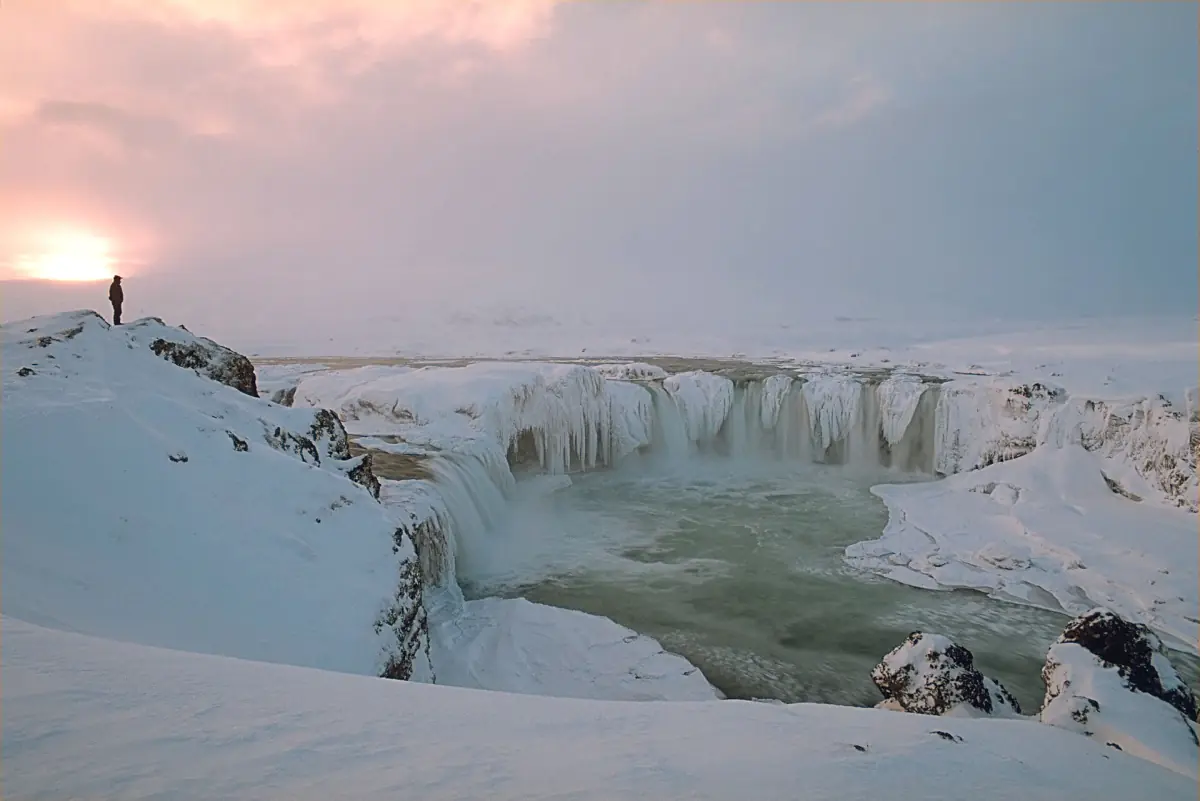
Pick a base by the places you can realistically reach in a short day. Reykjavík suits the Golden Circle and the near south coast. For Jökulsárlón, sleep in the south-east. National hotel occupancy was below 50 % in January and December 2025, but that does not prove the lowest prices, so compare offers. For dark skies, see the northern lights guide.
Spring and autumn, April to May and September to October
These months sit between the peak and the quiet. About 160,000 foreign passengers left through Keflavík in May 2025 and about 224,000 in September, against about 313,000 in August. That is a count of departures, not of hotel guests, but it shows that the shoulder months are less busy than the summer peak.
Summer, June to August
July and August 2025 had particularly high hotel occupancy nationwide. Decide your regions early and book ahead. Long daylight lets you use a single base for several day trips, and the bright weeks around the solstice suit a stop in the north. See the summer guide.
Costs that appear on your bill
Hotels and guesthouses add a lodging tax of 800 ISK per room unit and night. Camping and motorhome pitches pay 400 ISK per night. There is no extra per-person tax for children under these rules. The tax has applied since 1 January 2025.
Two transport costs belong in the budget as well. The Flybus from Keflavík airport to Reykjavík starts at 3,999 ISK one way, and the bus line 55 costs 2,400 ISK for adults.
For a plan that links regions and nights, use the itineraries by season. For how seasons affect prices and crowds, read the cheapest time to visit.
Where to stay in Iceland: frequently asked questions
Where is the best place to stay in Iceland?
It depends on your season and plans. Reykjavík keeps the most day trips in reach. The south coast suits waterfalls and glacier walks, and the south-east suits Jökulsárlón.
Is it better to stay in Reykjavík or on the south coast?
For a short trip, Reykjavík is simpler. For a longer south coast trip, a night or two in Vík or near the lagoon saves long drives, especially in winter when daylight is short.
When are hotels busiest?
July and August, based on 2025 occupancy. In January and December 2025, national occupancy was below 50 %, though that does not by itself mean lower prices.
What is the lodging tax in Iceland?
Hotels and guesthouses pay 800 ISK per room unit and night. Camping and motorhome pitches pay 400 ISK per night. The tax applies since 1 January 2025.
Should I stay in the north?
If you want a drier base and the island of Grímsey, yes. In July, Akureyri has about 34 mm of typical rain against about 50 mm in Reykjavík. Winter nights are colder in the north.
Do you recommend specific hotels?
No. This guide compares regions and seasons, not individual properties. Check the current availability, cancellation terms and the exact location before you book.