March at a glance
March gives you longer days than January or February, enough for a full sightseeing program. On 1 March the sun rises at 08:35 and sets at 18:46 in Reykjavík, which gives 10 hours and 10 minutes of daylight. On 15 March it rises at 07:46 and sets at 19:28, so you have 11 hours and 42 minutes. Nights are still dark enough for northern lights, and the snow and ice are still there.
That mix makes March a good choice if you want both: a day on the South Coast or on a glacier, and an evening out for the aurora. It does not turn the weather mild. Average night lows are below freezing at both weather stations, and the highlands stay closed.
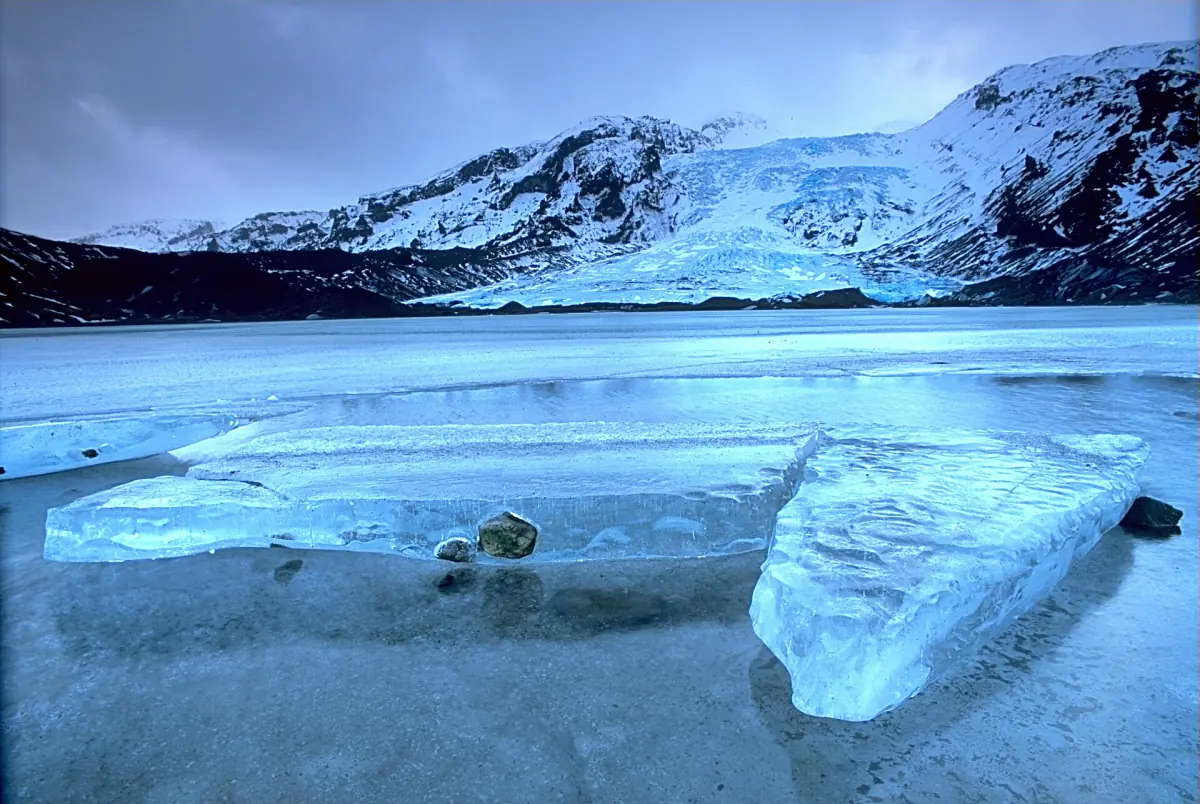
March weather and daylight
Typical averages for 1991–2020, rounded, with February and April for comparison. They describe two weather stations, not a given day.
| Month | Reykjavík high / low | Reykjavík precipitation | Akureyri high / low | Daylight on 15th | Foreign departures 2025 |
|---|---|---|---|---|---|
| February | 3 / −2 °C | about 91 mm | 3 / −4 °C | 8 h 38 min | about 149,000 |
| March | 4 / −1 °C | about 81 mm | 4 / −3 °C | 11 h 42 min | about 152,000 |
| April | 7 / 1 °C | about 59 mm | 7 / 0 °C | 15 h 05 min | about 149,000 |
The numbers show a month that is only a little warmer than February, but the light changes a lot. Akureyri in the north is drier than Reykjavík, with about 47 mm of precipitation against about 81 mm. Mild days near 4 °C can feel colder in the wind and are often wet, so pack waterproof layers, warm layers and shoes with grip.
Our picks for March
A northern lights bus tour, an ice cave tour at Jökulsárlón and a glacier hike at Skaftafell.
Hand-picked tours, booked through GetYourGuide. Prices are indicative starting prices in euros (as of October 2026). Tap a tour for live availability and the current price in your currency.
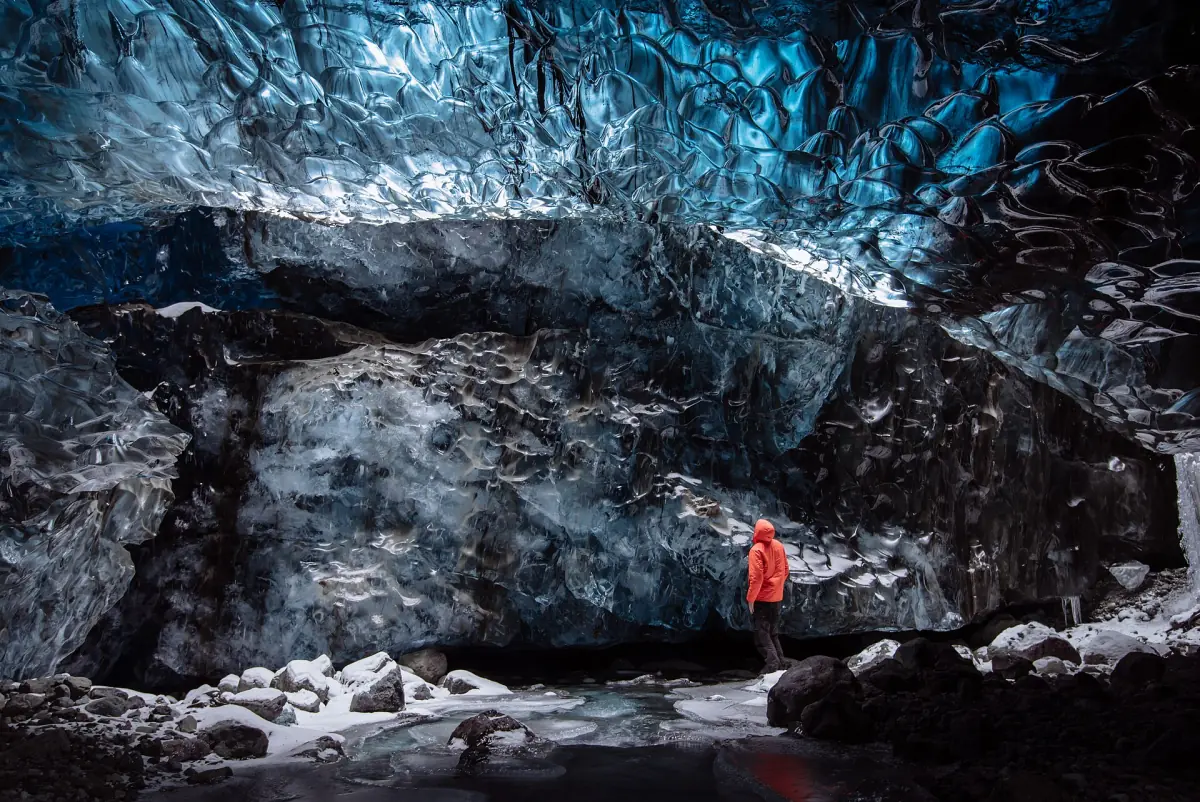
Ice cave tour on Vatnajökull from Jökulsárlón
A local glacier guide, a 4x4 vehicle, helmet and spikes. Depending on safety conditions you visit an ice cave or a blue ice formation; hotel transfer, food and drinks are extra.
Check availability →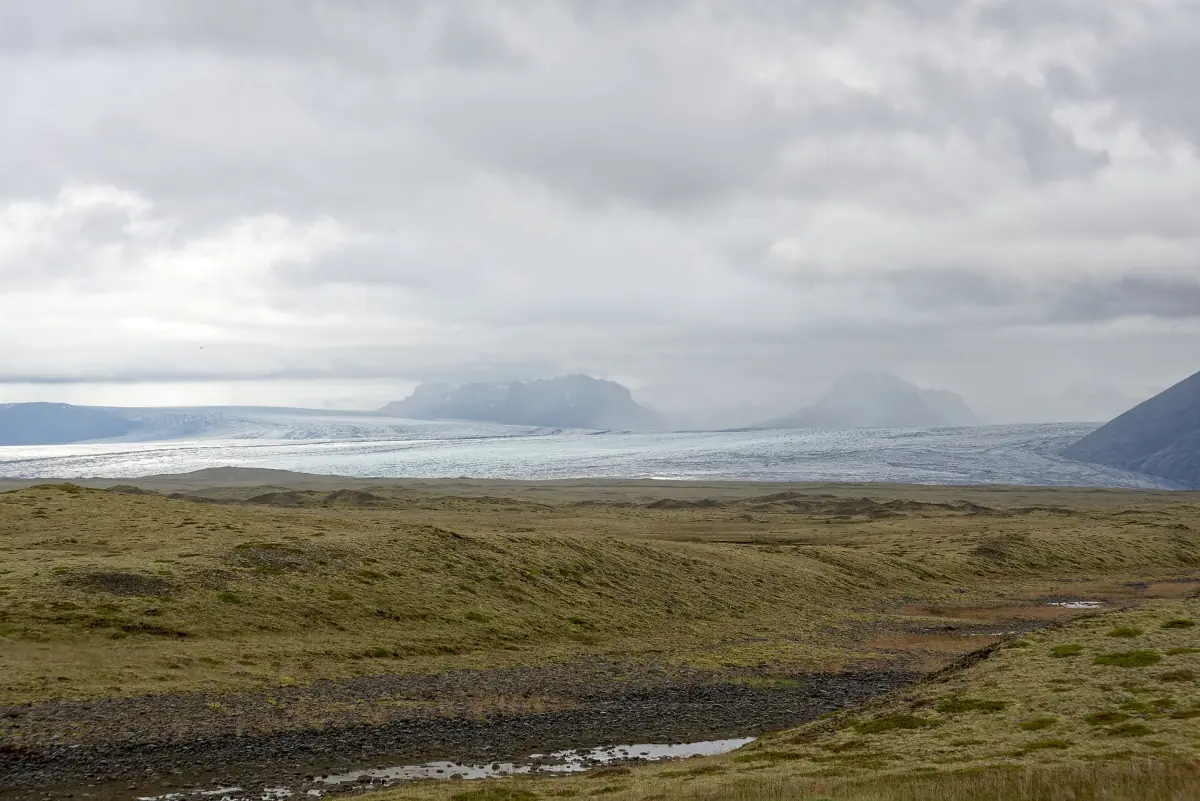
Blue ice glacier hike from Skaftafell
A certified glacier guide, crampons, ice axe, helmet, harness and the 4x4 transfer to the glacier, with the national park fee included. Hiking boots, food and drinks are extra.
Check availability →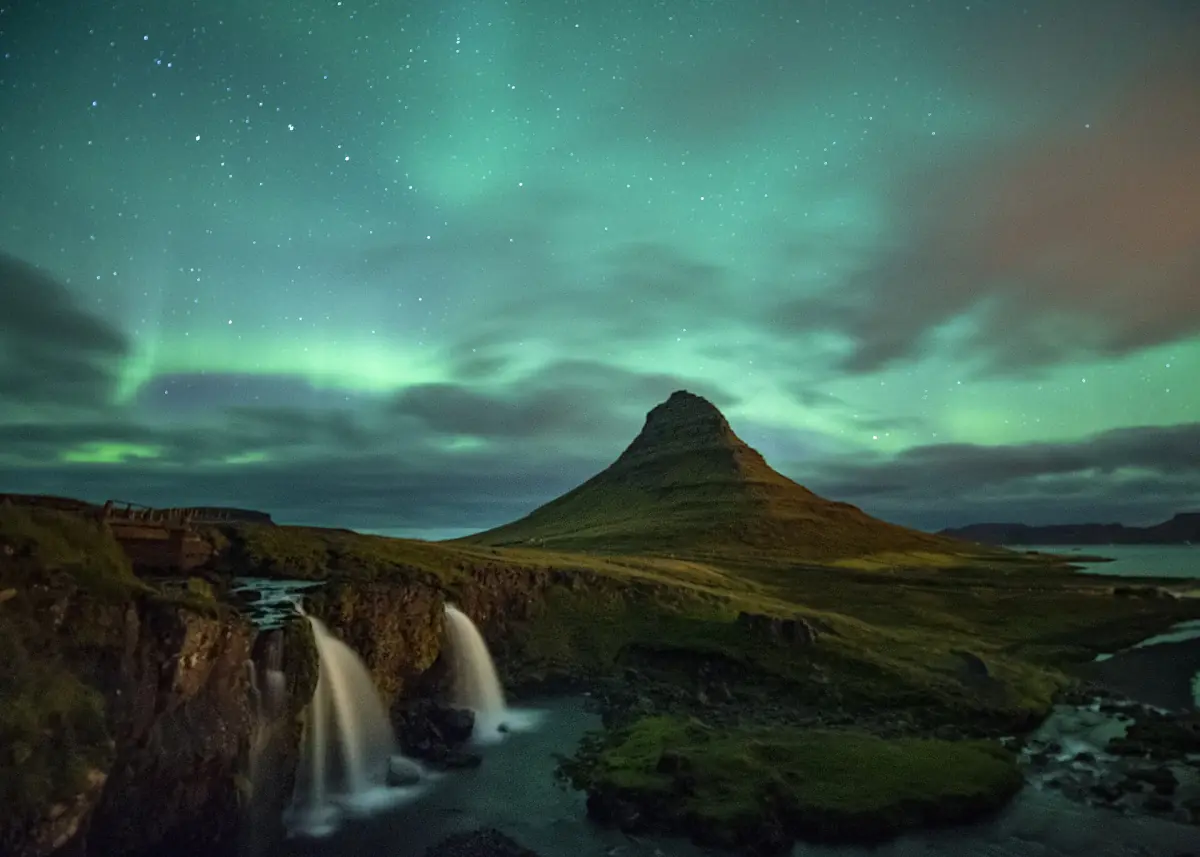
Northern lights bus tour with hot cocoa
A guide, transport, hot cocoa and photo stops, with a free repeat if no lights show. It runs in the winter months and depends on the weather, so a sighting is not guaranteed.
Check availability →Iceland tours in March
Glacier walks, South Coast day trips, whale watching and northern lights tours, with live prices and availability.
South Coast in March
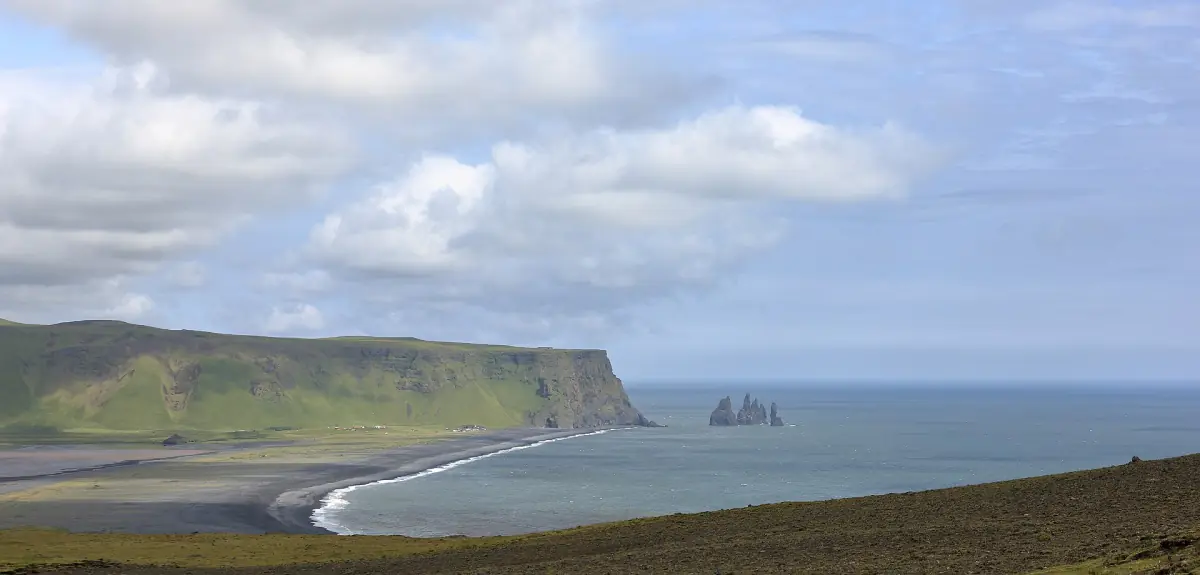
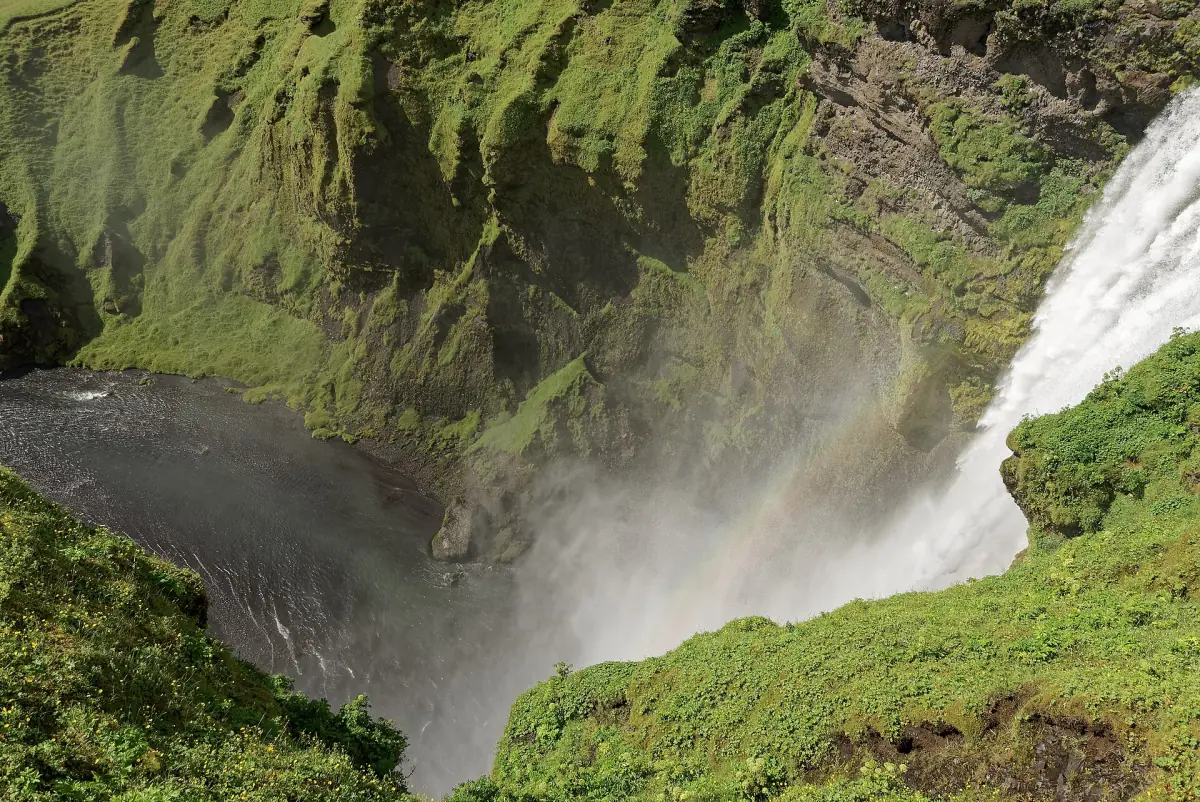
The South Coast stretches roughly 480 km between Þorlákshöfn and Höfn, so it is a region and not a single loop from Reykjavík. Seljalandsfoss, Skógafoss and Gljúfrabúi lie close to the Ring Road. In winter, do not count on being able to walk behind a waterfall, and plan for ice on the paths.
At Reynisfjara, SafeTravel posts a status for the black sand beach. In rough weather and high waves access can be limited to the viewpoint. Sneaker waves can reach far up the beach, and no fixed safe distance replaces a closure or a warning. Follow signs and the posted level, and watch the sea instead of turning your back to it.
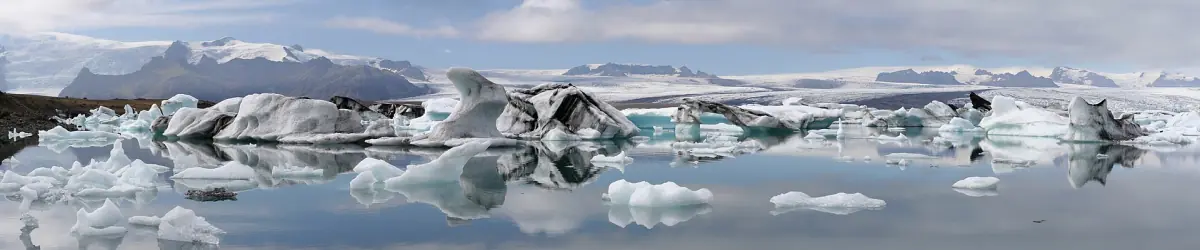
At Jökulsárlón the listed 2026 boat season starts in May, so a March visit is a shore visit. Marked paths run for 1.2 km at the lagoon and 1 km at Fellsfjara, and you should check their condition on the day. Details are on the South Coast page and on the Jökulsárlón page.
Things to do in March
Offers that fit the month. Hours, routes and availability depend on weather.
Glacier walk at Sólheimajökull
The Glacier Discovery walk runs all year. The listing starts from 128 EUR and sets a minimum age of 10. The tour takes about 3.5 hours, of which 1 to 1.5 hours are on the ice. You need reasonable fitness. Guide and safety gear are included, and you bring clothing and shoes or rent them. The operator gives about 2.5 hours from Reykjavík and about 45 minutes from Vík as a guide, depending on the weather. Do not walk onto the glacier on your own. Go with a guide.
Whale watching
One Reykjavík operator describes whales and dolphins as present near the city all year, with a wider program in summer. The Classic tour takes about 3 hours. There is no single best season and no guaranteed sighting. Read the repeat-ticket rule before you book.
Northern lights
The season runs from about September to April, so March is near the end of it. The sunset on 15 March is at 19:28, and darkness comes late in the evening. Aurora tours and your own evenings out depend on clear skies. See the northern lights guide.
Driving and tolls in March
Winter conditions still apply. Snow, ice, strong wind and short closures can stop a leg, and four-wheel drive does not prevent sliding. Highland roads are not open for normal summer access. Before each drive, check umferdin.is, safetravel.is and the Icelandic Met Office (en.vedur.is).
If you drive east along the Ring Road, note the new section near Hornafjörður. It opened on 25 June 2026, and the toll has applied since 1 September 2026. A single passage costs 1,500 ISK for vehicles under 3.5 t. Cameras register the passage, and the operator Spölur lets you pay within 24 hours afterwards. Ask your rental company how it handles tolls. A separate distance fee of 6.95 ISK per km for cars up to 3.5 t has applied since 1 January 2026. See the road conditions guide.
Crowds and prices
March 2025 saw about 152,000 foreign departures through Keflavík. That is close to February (149,000) and April (149,000) and far below June (234,000) and July (302,000). It still makes March a calm month by Icelandic standards, but the figure is a count of departing passengers, not of people at one sight, and it does not predict prices. Hotels and guesthouses add a lodging tax of 800 ISK per room and night. For a season view, read the cheapest time to visit Iceland.
Plan the rest of your trip
Go back to Iceland in February or ahead to Iceland in April. Our winter overview compares the whole season.
Iceland in March: frequently asked questions
Is March a good month to visit Iceland?
It is a good month if you want winter scenery and northern lights with days long enough for a full program. Expect frost, wind and changing road conditions, and keep spare days.
How much daylight is there in March?
In Reykjavík 10 hours and 10 minutes on 1 March and 11 hours and 42 minutes on 15 March, measured from sunrise to sunset for 2026.
How cold is it in March?
Reykjavík typically has highs around 4 °C (39 °F) and lows around −1 °C (30 °F). Akureyri is colder at night, with lows around −3 °C. Wind and wet weather make it feel colder.
Can I see the northern lights in March?
Yes, March is inside the season, which runs from about September to April. Clear, dark skies decide, and no sighting is guaranteed.
Are glacier walks possible in March?
The Sólheimajökull Glacier Discovery walk is listed as an all-year tour. The operator may change or cancel because of weather, so check the conditions that apply to your booking.
Can I go to Landmannalaugar in March?
No. The highlands are closed in winter, and ordinary rental cars are not meant for those roads. See Iceland in June for the season.