The south coast at a glance
The south coast stretches about 480 km (298 mi) between Þorlákshöfn and Höfn. That is the length of the region, not a round trip from Reykjavík, so you decide how far to go. It is a year-round region. Summer suits hikes, while winter brings ice and short daylight.
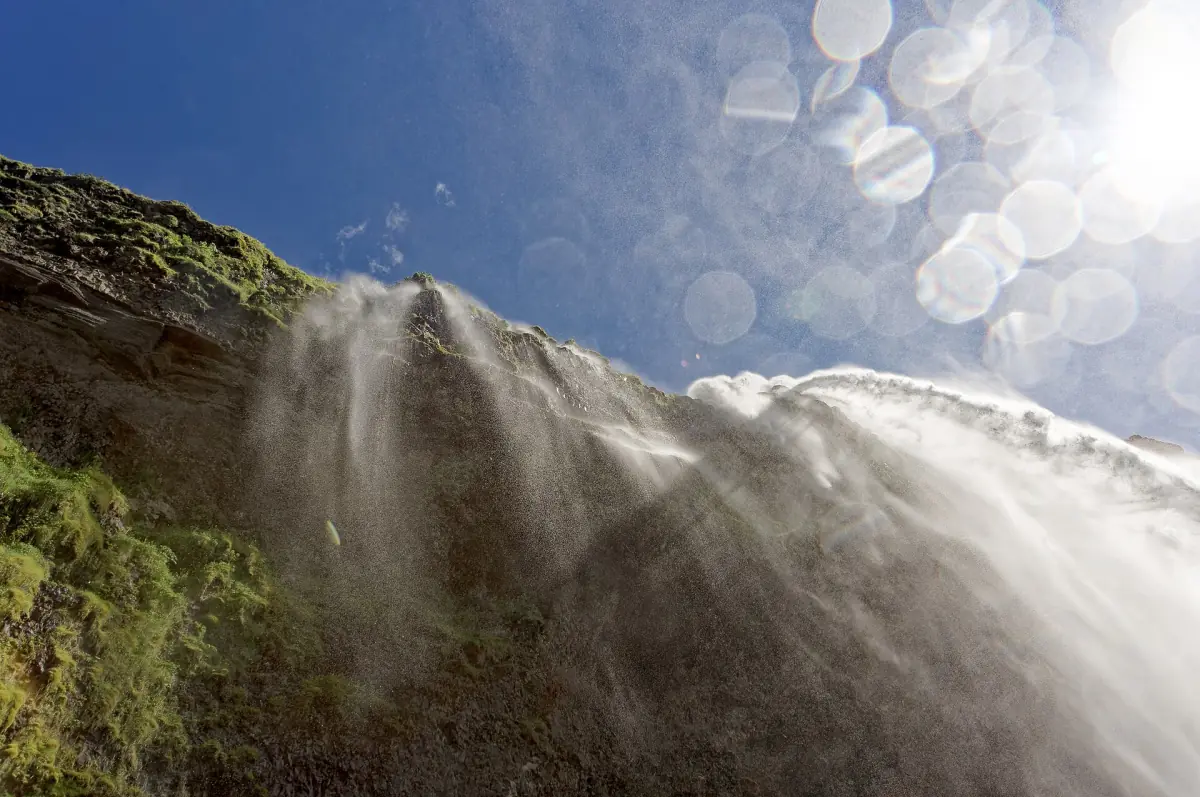
The waterfalls Seljalandsfoss, Skógafoss and Gljúfrabúi lie close to the Ring Road. That makes them easy to reach in any season, though weather and ice decide what is comfortable. In winter, do not assume that the path behind Seljalandsfoss is open.
Best time for the south coast
Every season has a version of the south coast that works. Pick the one that fits what you want to do.
| Month | Daylight in Reykjavík on the 1st | Typical high / low | What it means on the coast |
|---|---|---|---|
| December | 5 h 01 min | 3 / -2 °C (37 / 28 °F) | Very short days. Keep the plan small and check the roads. Aurora season. |
| March | 10 h 10 min | 4 / -1 °C (39 / 30 °F) | Daylight returns fast, ice and wind remain possible. |
| June | 20 h 07 min | 13 / 7 °C (55 / 45 °F) | Long light for stops and hikes. Many visitors. |
| September | 14 h 33 min | 11 / 6 °C (52 / 43 °F) | Still plenty of daylight, fewer visitors than the summer peak, and the aurora season starts. |
Climate values are typical averages for Reykjavík (1991–2020), rounded to whole degrees, and the coast can feel colder in wind. Daylight runs from sunrise to sunset on the 1st of the month in 2026. See weather by month for every month.
Choose summer for hiking, long light and the easiest driving. Choose winter for snow, ice and dark skies, and plan with a margin. In winter the daylight window is short and the surfaces are slippery, so keep the day small and be ready to turn around. The road conditions guide explains which sources to check.
Our picks: south coast tours
A guided day from Reykjavík, a super jeep to the Katla ice cave and a glacier hike at Skaftafell.
Hand-picked tours, booked through GetYourGuide. Prices are indicative starting prices in euros (as of October 2026). Tap a tour for live availability and the current price in your currency.
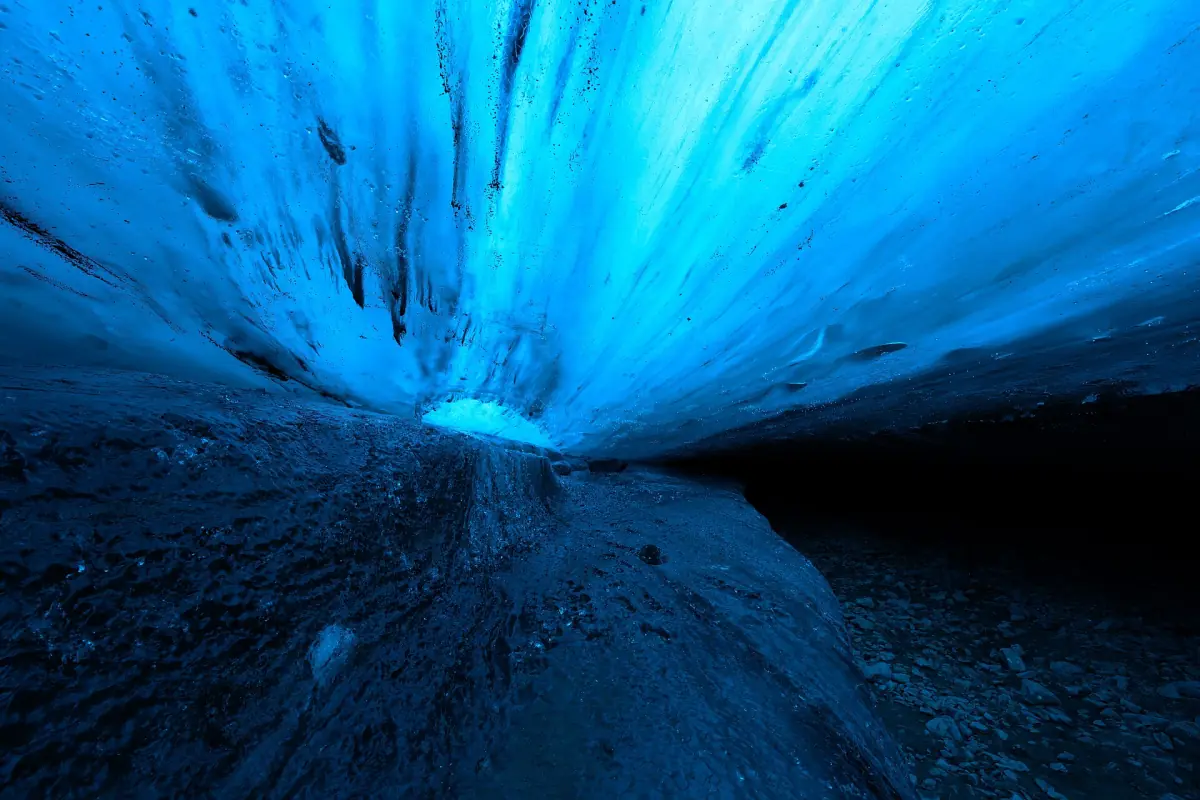
Katla ice cave by super jeep from Vík
A super jeep from Vík, a guided cave visit, crampons and a helmet. The cave changes with the weather, and food and drinks are extra.
Check availability →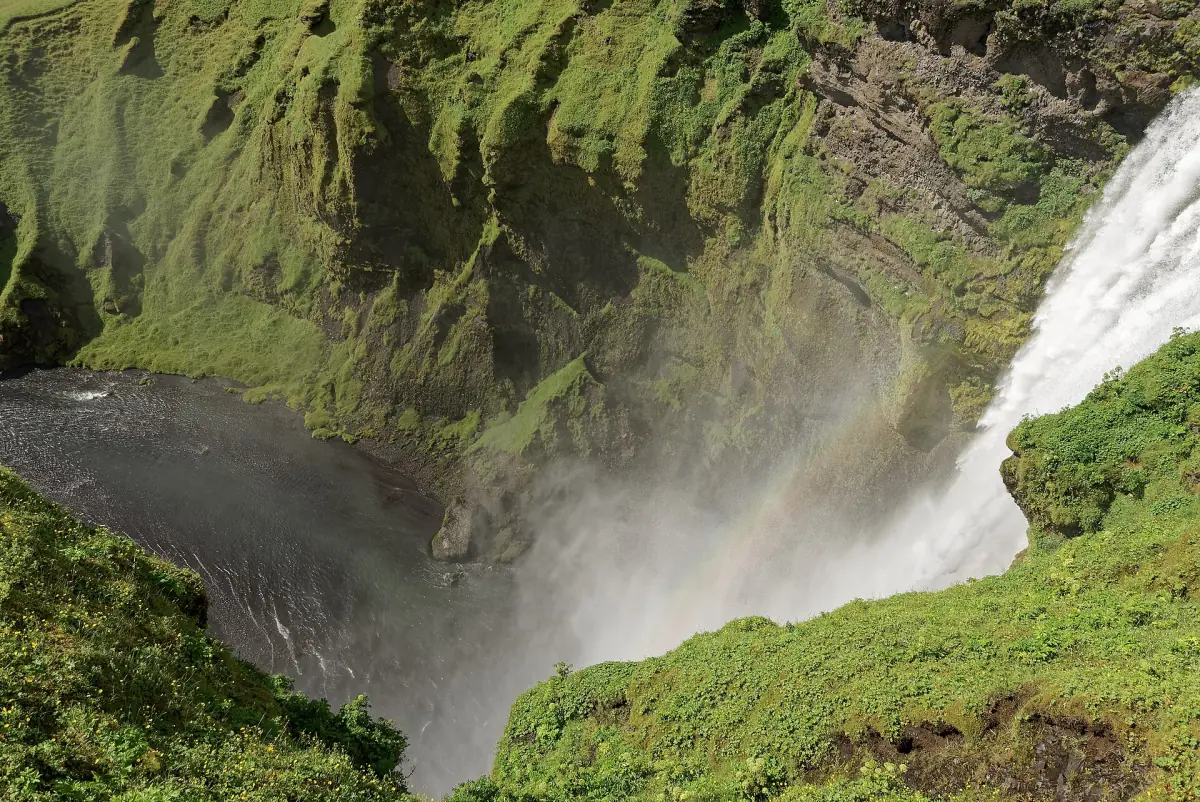
South coast day tour: waterfalls, black sand and glacier
A guided ten-hour day from Reykjavík; pickup applies only with the matching option. Food and drinks are extra, and a glacier walk is not listed as included.
Check availability →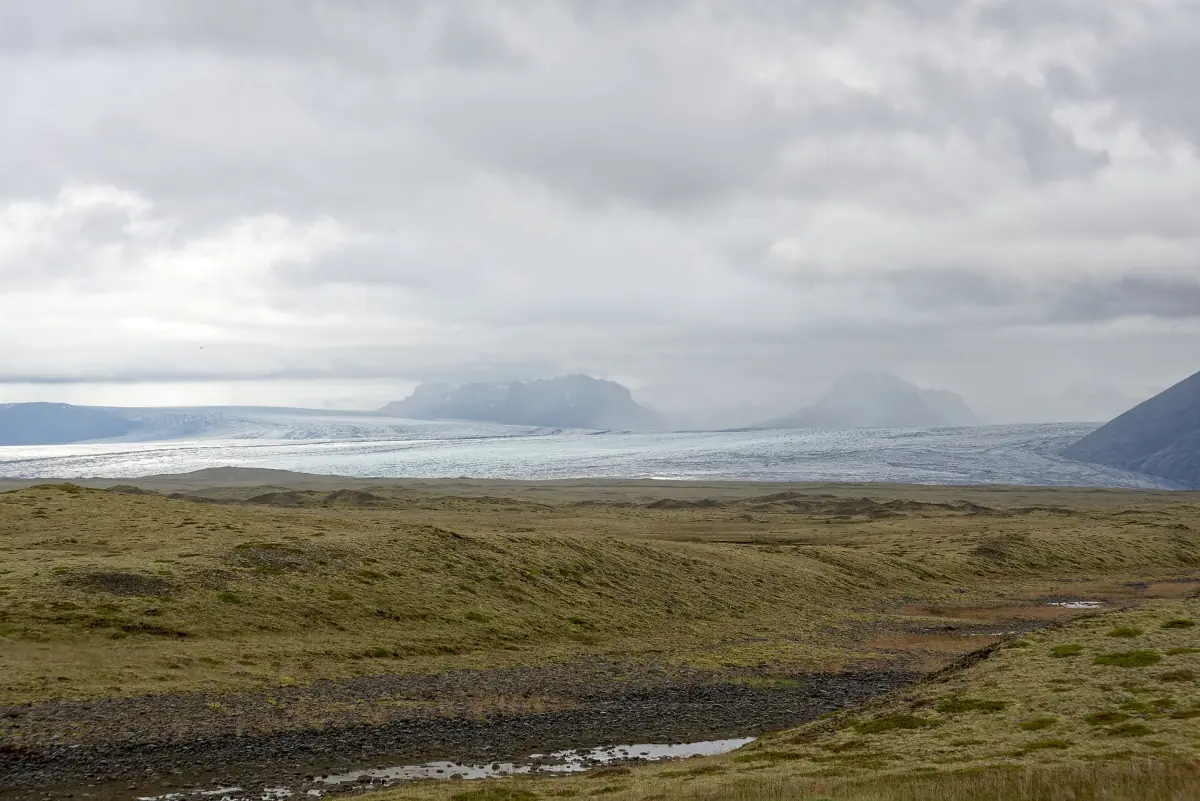
Blue ice glacier hike from Skaftafell
A certified glacier guide, crampons, ice axe, helmet, harness and the 4x4 transfer to the glacier, with the national park fee included. Hiking boots, food and drinks are extra.
Check availability →South coast tours
Guided south coast days from Reykjavík, with waterfalls, black sand beaches and glacier walks, and live prices and availability.
The main stops, west to east
Seljalandsfoss and Gljúfrabúi
These two waterfalls sit close together next to the Ring Road. Seljalandsfoss is the one people walk behind in warmer months. Ice and spray make the path slippery in winter, and it may not be open. Wear shoes with grip and a waterproof jacket in every season.
Skógafoss
Skógafoss is a wide fall that you can see from the base or from the cliff edge above. In summer the long daylight makes it easy to fit with other stops. In winter, treat the paths and the cliff edge with extra care.
Sólheimajökull glacier walk
A guided glacier walk on Sólheimajökull runs all year. One operator lists it from 128 EUR, with a minimum age of 10 years. The tour lasts about 3.5 hours, of which 1 to 1.5 hours are on the ice. Guide and safety equipment are included, and you bring or rent clothing and shoes. You need a suitable level of fitness. The operator gives a rough drive of 2.5 hours from Reykjavík and 45 minutes from Vík, depending on the weather. Do not walk on the glacier without a guide.
Reynisfjara and Reynisdrangar
Reynisfjara is a black beach with basalt columns, and the sea stacks of Reynisdrangar stand just offshore. It is also the stop that needs the most care. Read the safety box below before you go.
Further east to Jökulsárlón
Past the beaches and waterfalls the coast continues towards the glacier lagoon and Diamond Beach. See the Jökulsárlón guide for boats, ice caves and seasons. If you drive on to Höfn, note the new Ring Road section at Hornafjörður, which has been tolled since 1 September 2026. A single passage for a car under 3.5 t costs 1,500 ISK, and cameras register the car.
Reynisfjara: staying safe
Sneaker waves can run far up the beach without warning, and they are the reason this beach has a safety page of its own. Check the current beach safety notice on the day of your visit. In October 2026 it reported dangerous weather and high waves, with access to the viewpoint only, and it warned that closures can apply even when the sneaker wave level is not red. Notices change from day to day, so treat this as an example, not a rule.
Follow the signs and the closures, keep clear of the water and do not count on free access to the beach. If the warning level or the barriers say stay back, the viewpoint still gives you the view of the columns and the sea stacks.
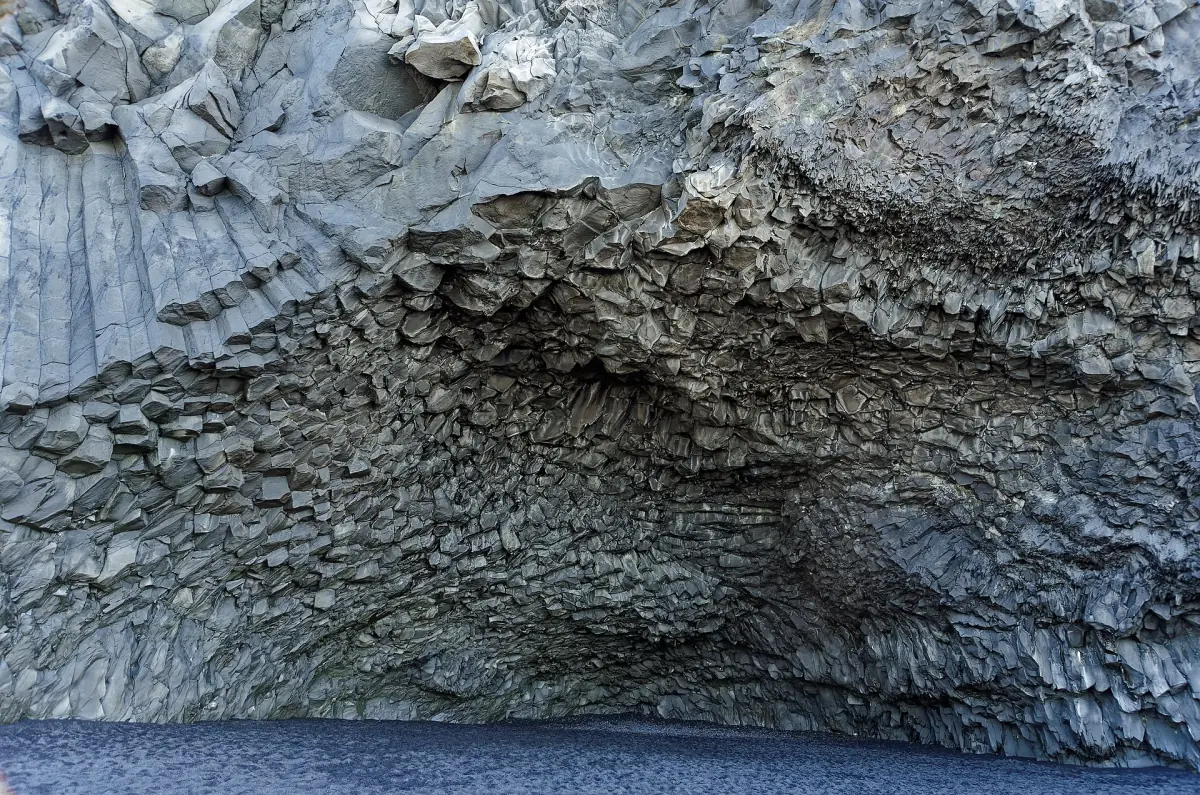
Driving the south coast by season
The Ring Road is not a guaranteed, trouble-free route in winter. Snow, ice, strong wind and short-notice closures all need room in your plan. Carry winter equipment that fits the trip, and remember that four-wheel drive does not stop a car from sliding.
A distance-based road charge of 6.95 ISK per km has applied since 1 January 2026 to cars up to 3.5 t. Rental companies add it in their own way, so ask when you pick up the car. Parking costs at the waterfalls and the beach can differ by site, so check the signs and payment points on arrival.
For a longer trip along the whole coast, see the itineraries by season. For a shorter day trip in the other direction, read about the Golden Circle.
More from the south
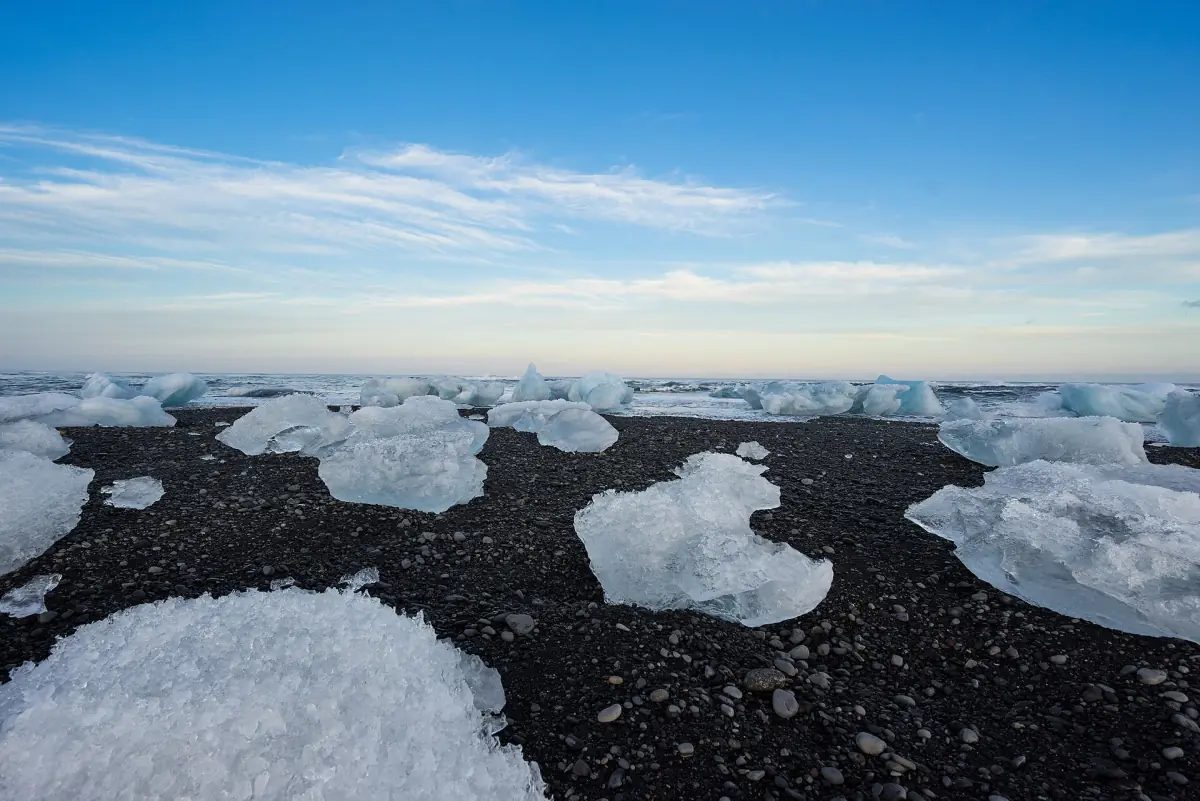
Jökulsárlón and Diamond Beach
Boat season, ice caves and the black beach with ice blocks.
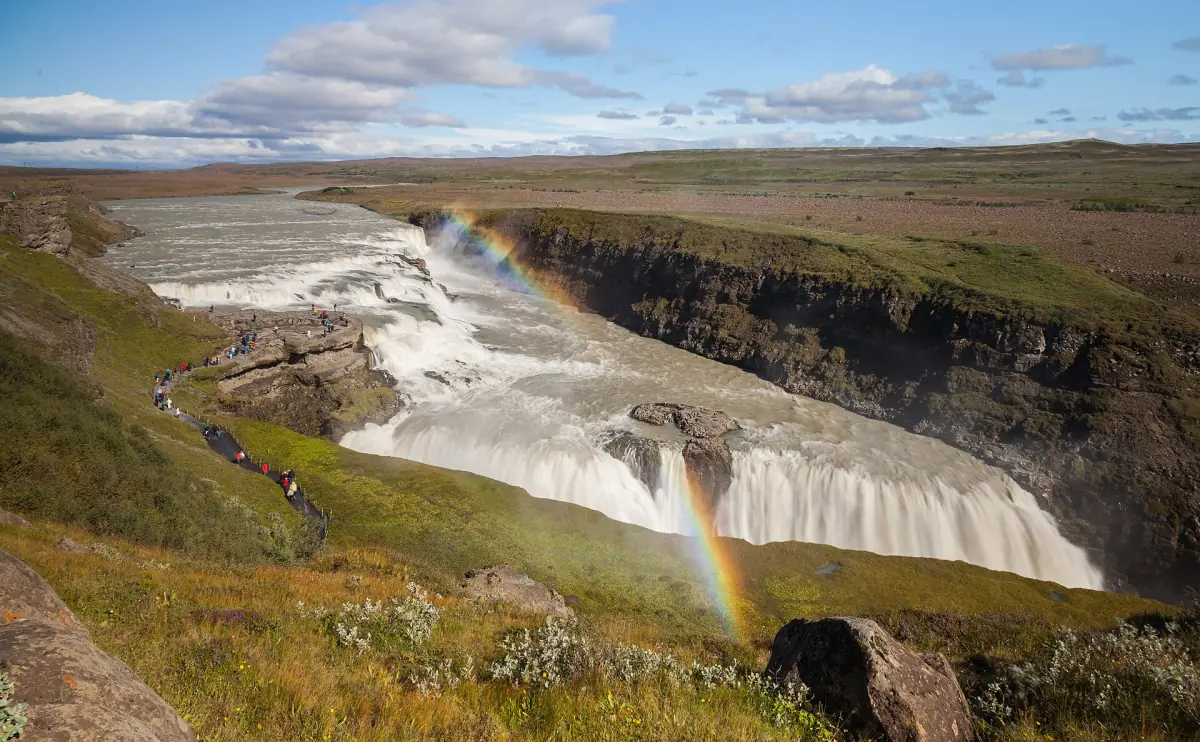
The Golden Circle
Þingvellir, Geysir and Gullfoss in every season.
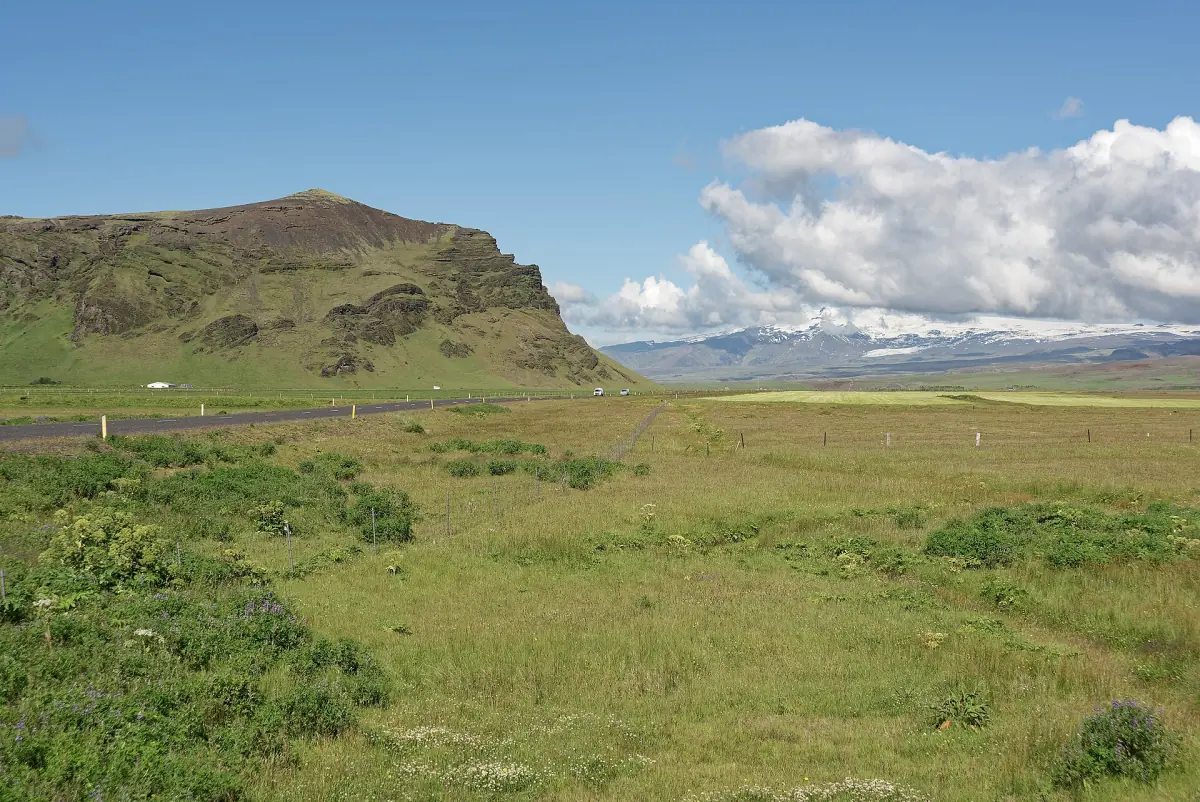
Road conditions
What to check before you drive, in winter and in summer.
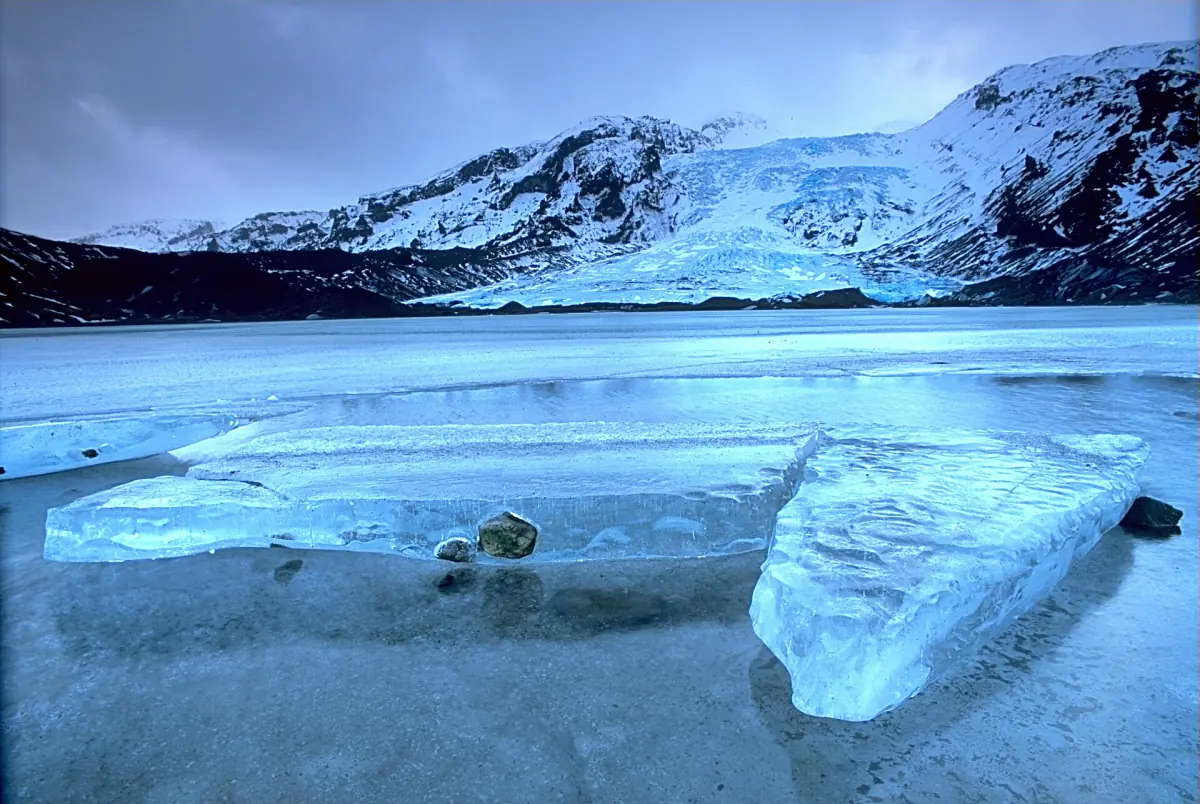
Iceland in March
Returning daylight, ice on the coast and what is open.
South coast: frequently asked questions
How long is the south coast of Iceland?
The region stretches about 480 km (298 mi) between Þorlákshöfn and Höfn. It is not a loop, so how far you go depends on your time and the season.
When is the best time to visit the south coast?
It works all year. Summer is best for hiking and long daylight. Winter has ice, snow and short days, and suits visitors who accept a smaller plan and a flexible schedule.
Is Reynisfjara safe?
Sneaker waves are a real risk. Check the beach safety notice on the day, follow signs and closures, and stay away from the water. Access can be limited to the viewpoint even when the sneaker wave level is not red.
Can I walk behind Seljalandsfoss in winter?
Do not count on it. Ice and spray can close the path, and access in winter is not guaranteed. The falls are still worth seeing from the front.
Can I walk on Sólheimajökull on my own?
No. Join a guided walk. Guides and safety equipment are included, and one operator lists a minimum age of 10 years.
Is the Ring Road toll-free?
Not everywhere. A new section at Hornafjörður has charged a toll since 1 September 2026. A car under 3.5 t pays 1,500 ISK per passage.