Iceland northern lights season: September to April
The lights appear only when the sky is dark, so the season follows the dark half of the year. The national tourism board names September to April as the usual window. Another page of the same board says late August to late April. Treat both as a rough window and not as a promise for any single night.
In June and July the nights are too bright. In midwinter you get the longest nights, but also the shortest days, more ice on the roads and plenty of cloud. Each month in the window is a trade-off, and the table below shows how the daylight changes.
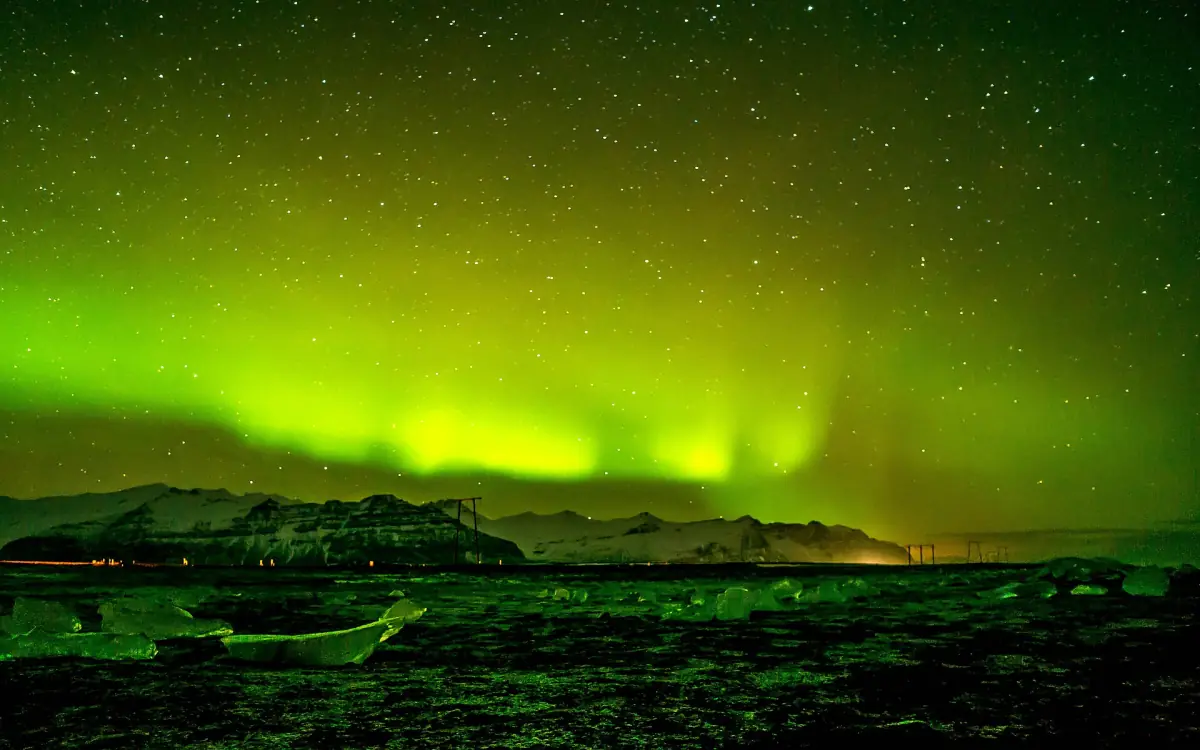
Daylight by month in the northern lights season
Sunrise to sunset in Reykjavík in 2026, rounded to the minute. Twilight is not included, and daylight differs from place to place.
| Month | Daylight on the 1st | Daylight on the 15th | What it means for aurora hunting |
|---|---|---|---|
| September | 14 h 33 min | 13 h 2 min | The window opens again, evenings are still light early in the month |
| October | 11 h 20 min | 9 h 49 min | Nights are getting long, the highland season ends and early winter weather is possible |
| November | 7 h 59 min | 6 h 30 min | Long nights, winter driving gear needed |
| December | 5 h 1 min | 4 h 12 min | The longest nights of the year and the shortest days |
| January | 4 h 24 min | 5 h 25 min | Dark evenings, ice and wind on the roads |
| February | 7 h 7 min | 8 h 38 min | Daylight returns quickly, nights are still long |
| March | 10 h 10 min | 11 h 42 min | Nights are getting shorter, the lights are still possible |
| April | 13 h 33 min | 15 h 5 min | The end of the window, with long light evenings |
If you can only choose one stretch, November to February gives you the longest nights. March and the start of October give you more daylight for sightseeing. Both choices work, because the lights depend on clear skies much more than on the exact date.
Our picks: northern lights tours
A bus tour with hot cocoa or a boat trip from the old harbor, both dependent on the weather.
Hand-picked tours, booked through GetYourGuide. Prices are indicative starting prices in euros (as of October 2026). Tap a tour for live availability and the current price in your currency.
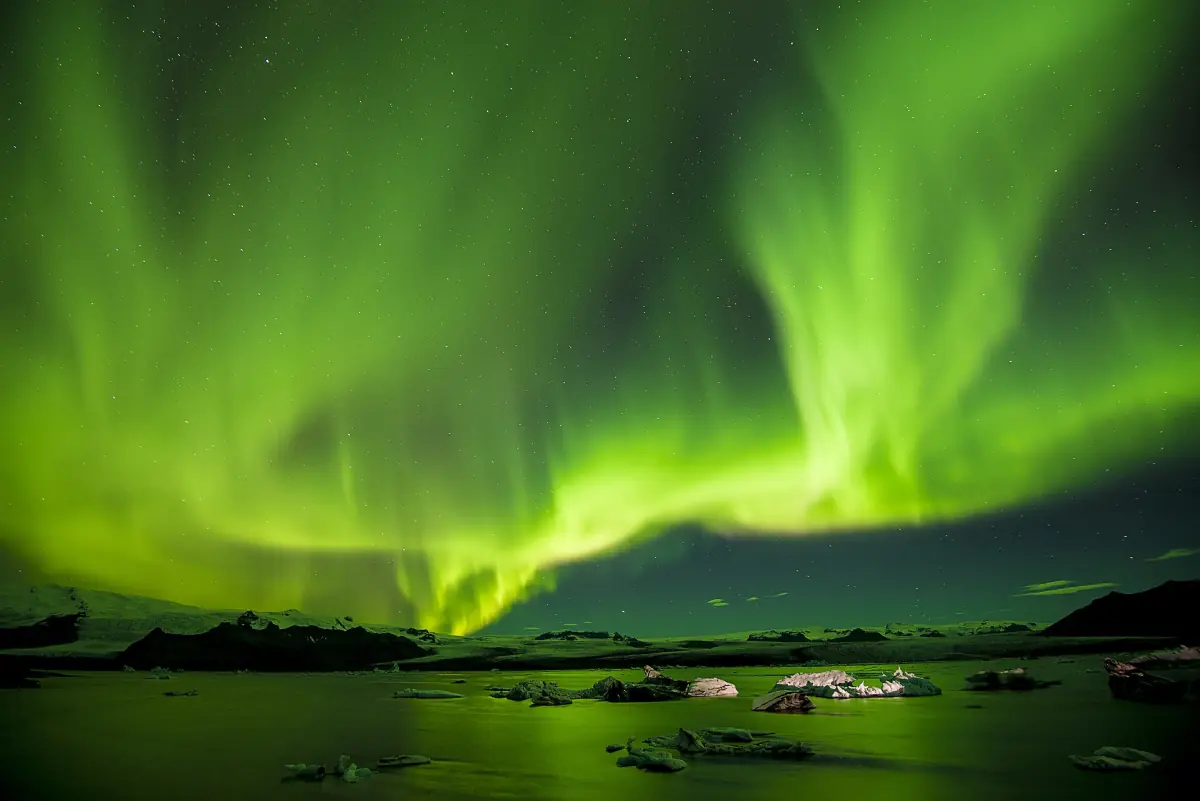
Northern lights cruise from the old harbor
A two-hour yacht trip with Wi-Fi, blankets and seasickness tablets. Drinks and souvenirs are extra, hotel pickup comes only with the matching option, and a sighting is not guaranteed.
Check availability →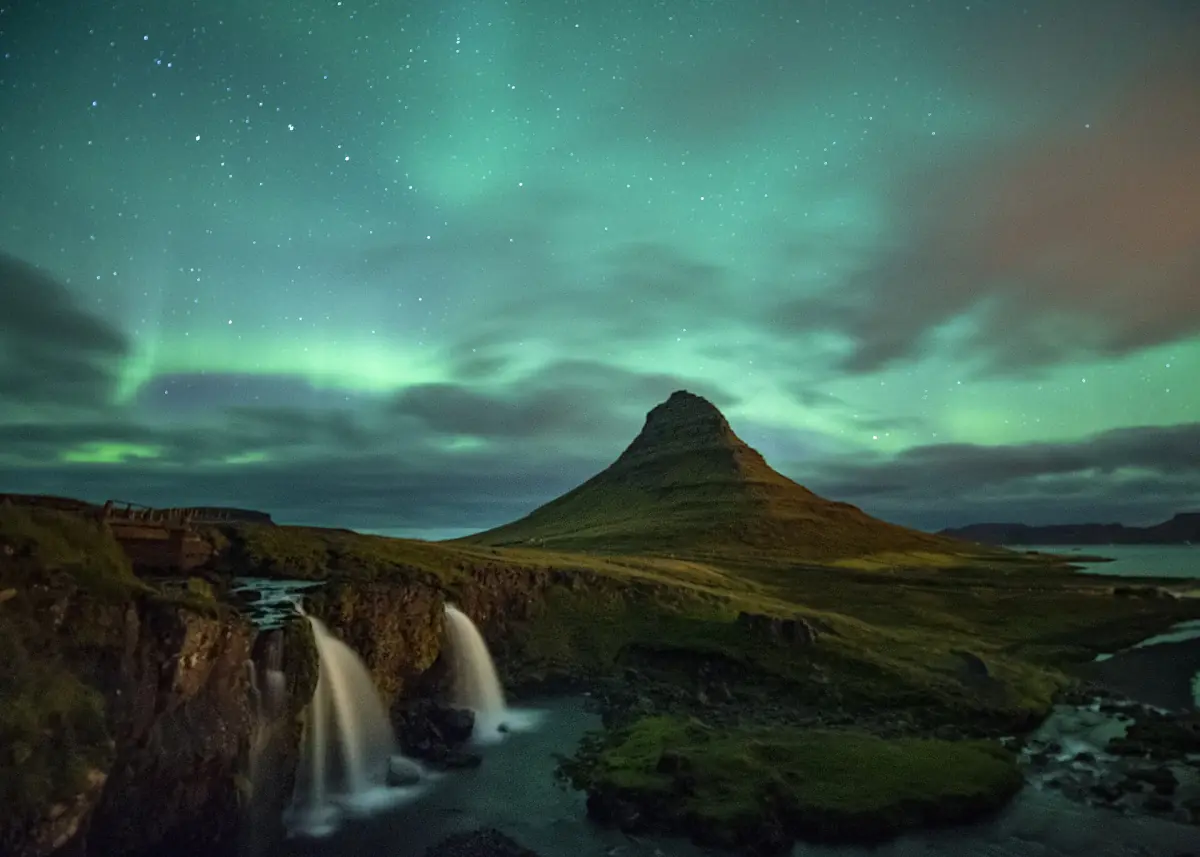
Northern lights bus tour with hot cocoa
A guide, transport, hot cocoa and photo stops, with a free repeat if no lights show. It runs in the winter months and depends on the weather, so a sighting is not guaranteed.
Check availability →Northern lights tours from Reykjavík
Bus and boat tours that go out after dark, with current prices and availability.
What you need for a sighting
Four things decide whether the sky shows anything on a given night.
Darkness
The sky has to be properly dark. That is why June and July do not work and why the first weeks of the window start in September.
A clear sky
The Icelandic Met Office publishes an aurora forecast with a cloud map. Green means cloud and white means clear. A thick cloud layer hides even a strong display, so check the map before you set out and be ready to drive somewhere else.
Activity
The same forecast has an activity scale from 0 to 9 for midnight. Its sun and darkness times apply to Reykjavík. No fixed Kp number is a safe threshold, and the tourism board warns against judging the brightness from Kp alone.
The solar cycle
In October 2024, NASA and NOAA announced that the sun had reached the peak phase of its roughly 11-year cycle. That statement does not guarantee strong displays in any particular winter. Plan as if every night is a chance, not a certainty.
Tour or self-guided: how to choose
On a tour, someone else handles the timing and the driving. You do not have to drive in the dark on icy roads. The operators say plainly that a sighting is not guaranteed. One Reykjavík boat operator offers a repeat ticket instead of an automatic refund when no lights appear. If an operator cancels a tour because of weather, rebooking or a refund is possible. Read the terms of your product before you pay.
If you drive yourself, give the roads the same attention as the sky. Ice, wind and short days make winter trips slower than the map suggests. The road conditions page explains how to check the roads, and the winter guide covers the rest of the season.
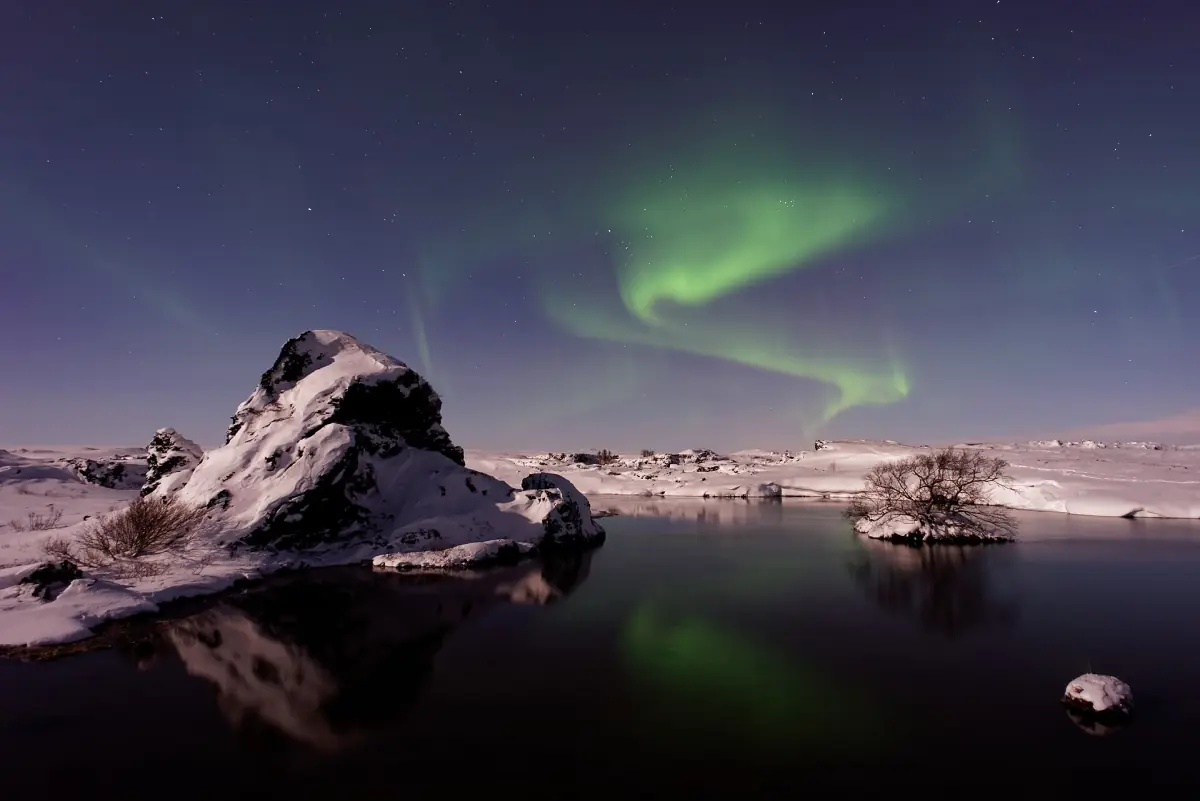
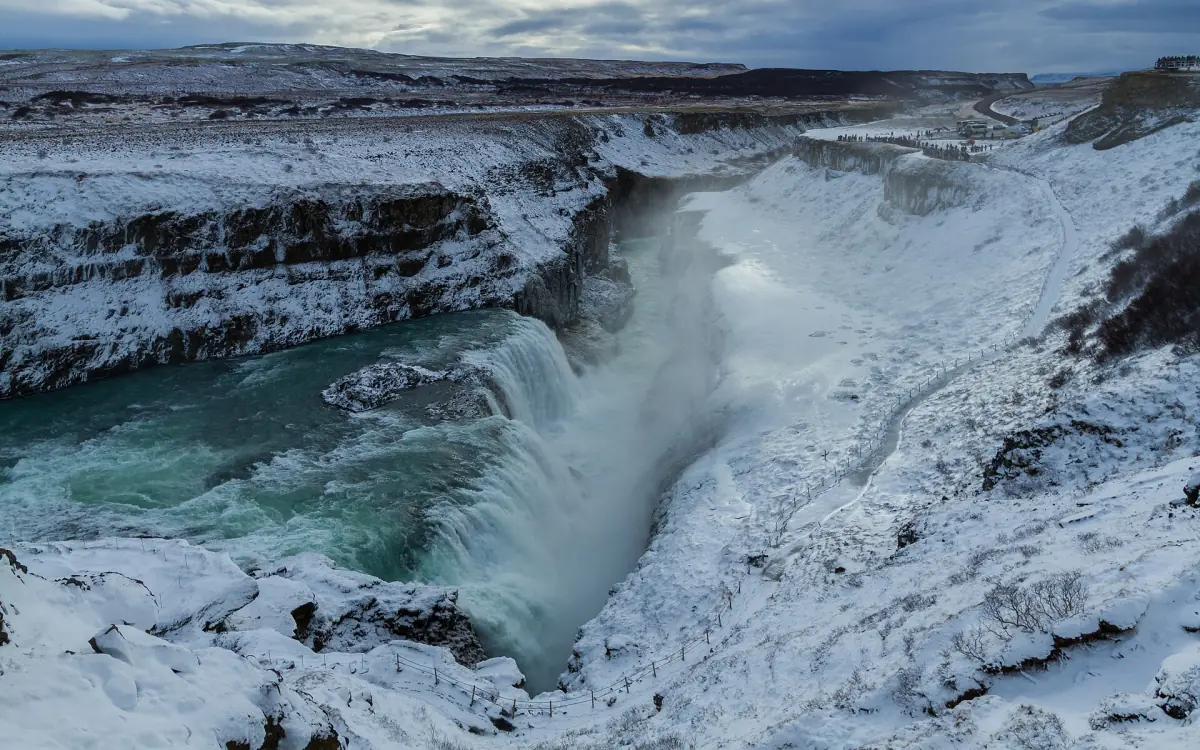
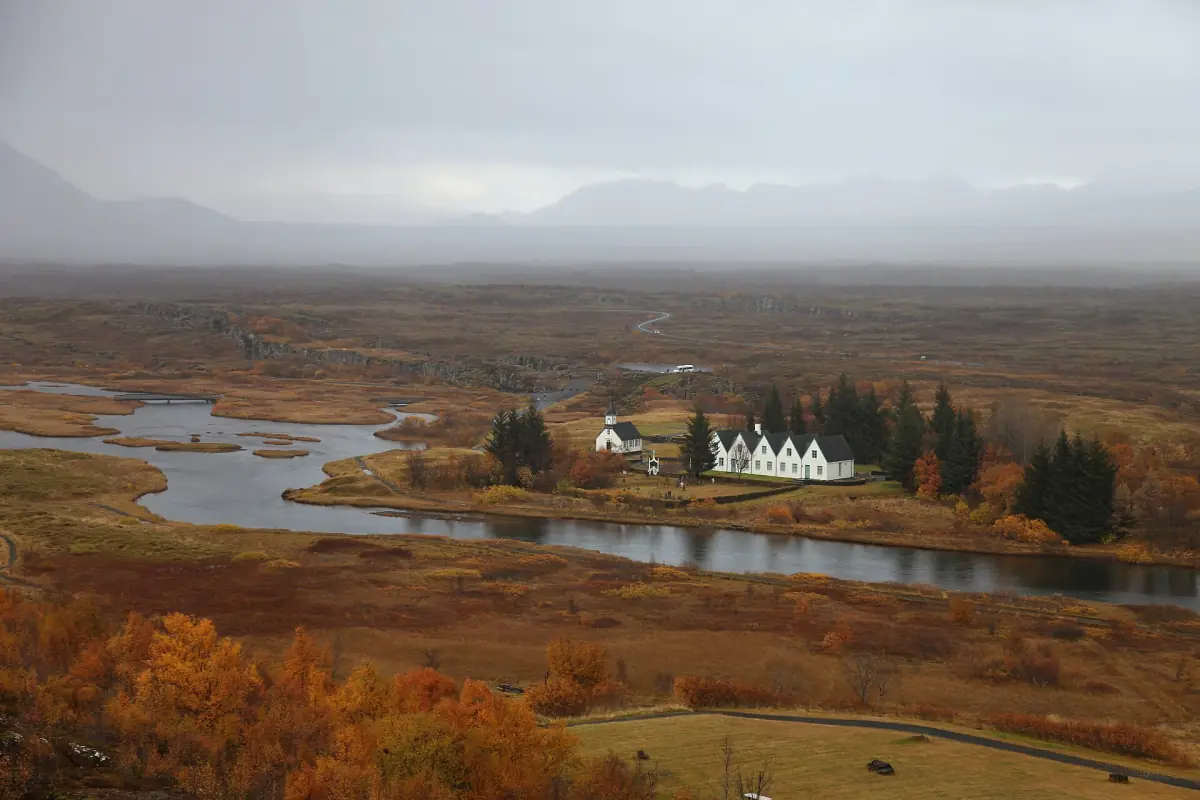
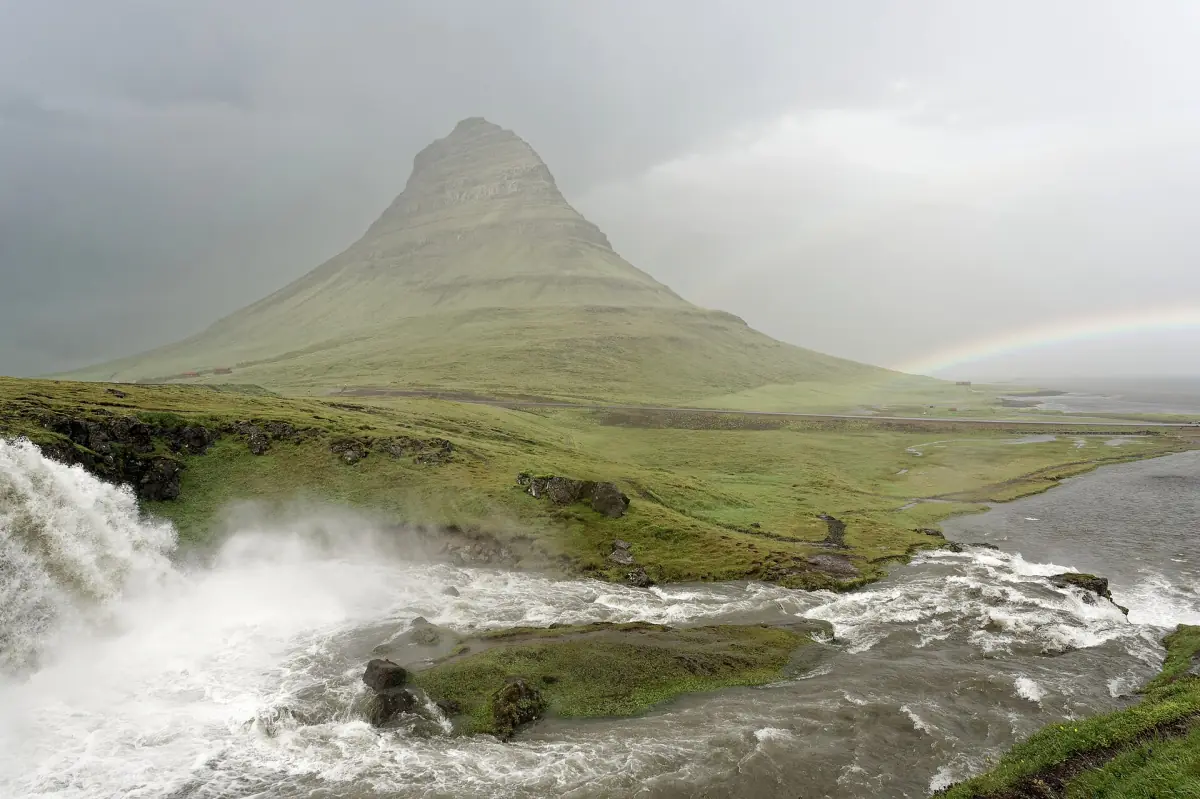
No source ranks one single best place for the lights. Dark surroundings and clear sky matter more than the address. The photos on this page show lights over the Kirkjufell mountain, over the ice beach at Jökulsárlón and over frozen lakes.
Plan the rest of your trip
The lights fit well with other winter plans.
Northern lights in Iceland: frequently asked questions
What is the best month for the northern lights in Iceland?
No single month is best. The usual window is September to April. November to February gives the longest nights, while September, October and March give more daylight for other plans. A clear sky matters more than the date.
Can I see the northern lights in summer?
Not in June and July, when the sky does not get dark. The tourism board gives September as the start of the season, and another page names late August.
How do I check if the sky is clear?
Use the aurora forecast of the Icelandic Met Office. Its cloud map shows cloud in green and clear sky in white, and its activity scale runs from 0 to 9 for midnight.
Does a high Kp number mean a bright display?
Not by itself. No fixed Kp value is a safe threshold, and the tourism board warns against judging brightness from Kp alone. Cloud and darkness matter just as much.
Is a sighting guaranteed on a tour?
No. Operators do not guarantee a sighting. One boat operator offers a repeat ticket instead of an automatic refund when nothing appears. Check the terms for your tour.
Do I need a rental car to see the lights?
No. Bus and boat tours go out from Reykjavík after dark. If you drive yourself, plan for winter conditions and check the road status before each trip.